
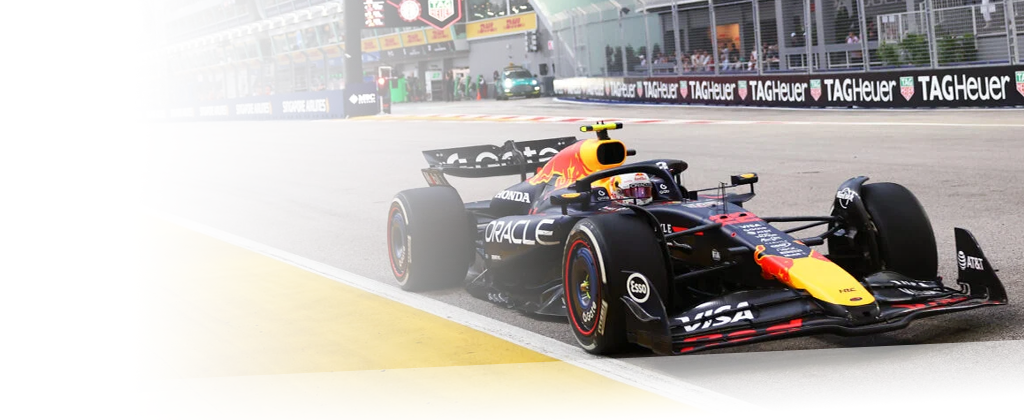
Formula 1 is often described as the pinnacle of motorsport engineering. At speeds exceeding 300 km/h, races can be shaped by decisions made in a matter of seconds, when to pit, when to defend, when to push for an advantage. From the grandstand those calls look instinctive. In the garage they are informed by a constant stream of live telemetry, and by the infrastructure that keeps it flowing.
That infrastructure is the part of an F1 team most fans never see. It is also where STULZ made its mark, with a micro data centre designed to run race-critical IT in one of the least data-centre-friendly places imaginable: the pit garage.
A modern F1 car is one of the most data-rich machines in sport. Industry figures give a sense of the scale: Mercedes, for example, counts more than 250 sensors on its car and more than a terabyte of data per car across a race weekend. Those sensors monitor everything from tyre degradation and brake temperatures to powertrain performance and fuel consumption – which together determine racecourse decisions.
But in a sport where fractions of a second can separate victory from defeat – this data collected is only useful if it can be transmitted, processed and delivered quickly enough to influence a decision. That is where edge computing comes in - processing data as close as possible to where it is created. Teams carry racks of their own equipment to every race, analysing in real time at the track and leaving the deeper work to the data centre back home.
Bringing compute closer to the car solves one problem but creates another. Race garages are hot, humid and contaminated with brake and tyre particles, conditions that can compromise the sensitive IT infrastructure behind critical race-day decisions.
An international Formula 1 team brought exactly this challenge to STULZ. Its IT hardware was being replaced every two races because of dust and debris, a significant and recurring operational cost.
STULZ developed a Micro Data Centre comprising IP rated IT racks and dedicated cooling infrastructure. Designed specifically for trackside deployment, the solution effectively brought data-centre-grade conditions into the race environment. Rather than exposing critical systems to the harsh racetrack conditions, the solution effectively brought data-centre-grade protection to the point where data was being generated and consumed. The plug-and-play design eliminated repeated installation, commissioning and testing, allowing rapid deployment at every race.
The deployment proved highly effective. The micro data centre was installed for the season opener and went on to support all 20 races of that season, in garages that could reach 45°C and 95% humidity, across vastly different climates. Throughout, it protected the same IT hardware. The approach cut the need for repeated hardware replacement and delivered significant operational savings. It also proved that a data-centre environment could be made mobile without compromising on reliability.